Your Guide to Working Out in Summer Heat: How Hot is Too Hot?

Jordan Plourde
Jul 21, 2026

The Heat Is Here, How Can We Combat It?
Summer brings long days, bright sunshine, and the perfect excuse to move your workouts outdoors. But when the July and August heat waves hit their peak, that refreshing outdoor workout can quickly turn into a grueling endurance test.
You know the feeling: the pavement is radiating heat, your skin is instantly drenched, and catching your breath feels twice as hard as usual. When you mix heavy physical exertion with blazing weather, the stakes get significantly higher.
So, how do you know when it’s genuinely too hot to exercise, and how can you protect yourself? Let’s dive into the science of exercising in the heat and how to stay safe.
How Your Body Handles the Heat (Thermoregulation)
To understand your limits, it helps to understand how your body fights to keep you cool. Your brain houses a tiny control center called the hypothalamus, which acts as your internal thermostat. It works around the clock to keep your core body temperature sitting comfortably between 36.5°C and 37.5°C (97.7°F to 99.5°F).
When you venture out into extreme heat, your hypothalamus triggers two main cooling mechanisms:
Increased Circulation: It directs blood flow away from your internal organs and toward your skin. Your blood vessels dilate to let heat escape through your skin, which is why your face gets flushed and your veins look more pronounced.
Sweating: It activates your sweat glands. As the sweat evaporates off your skin, it pulls heat away from your body, cooling you down.
When the System Fails: Heat-Related Illnesses
Under normal conditions, this system works beautifully. But when you add high humidity (which prevents sweat from evaporating) or prolonged exertion without enough water, your internal thermostat can fail.
Heat-related illnesses exist on a spectrum, and it’s vital to recognize the early warning signs before they turn dangerous:
Heat Cramps: Painful muscle spasms or sharp pains, often making the muscle feel tight or hard to the touch. While your core temperature might still be normal, this is your first warning sign to slow down.
Heat Syncope (Fainting): Feeling lightheaded, dizzy, or temporarily losing consciousness. This often happens after standing or exercising for a long period in high temperatures.
Heat Exhaustion: A more severe stage where your core temperature rises up to 104°F (40°C). Symptoms include nausea, vomiting, headaches, weakness, and feeling faint. Your skin might feel cold and clammy, even though you are sweating heavily.
Heat Stroke (Sunstroke): This is a medical emergency. If heat exhaustion is ignored, it triggers heat stroke. At this stage, your core temperature climbs above 104°F (40°C). Your body may completely lose the ability to sweat, leaving your skin dry or dangerously flushed. Symptoms include confusion, irritability, and a racing heart. Left untreated, heat stroke can cause organ failure, brain damage, or death.
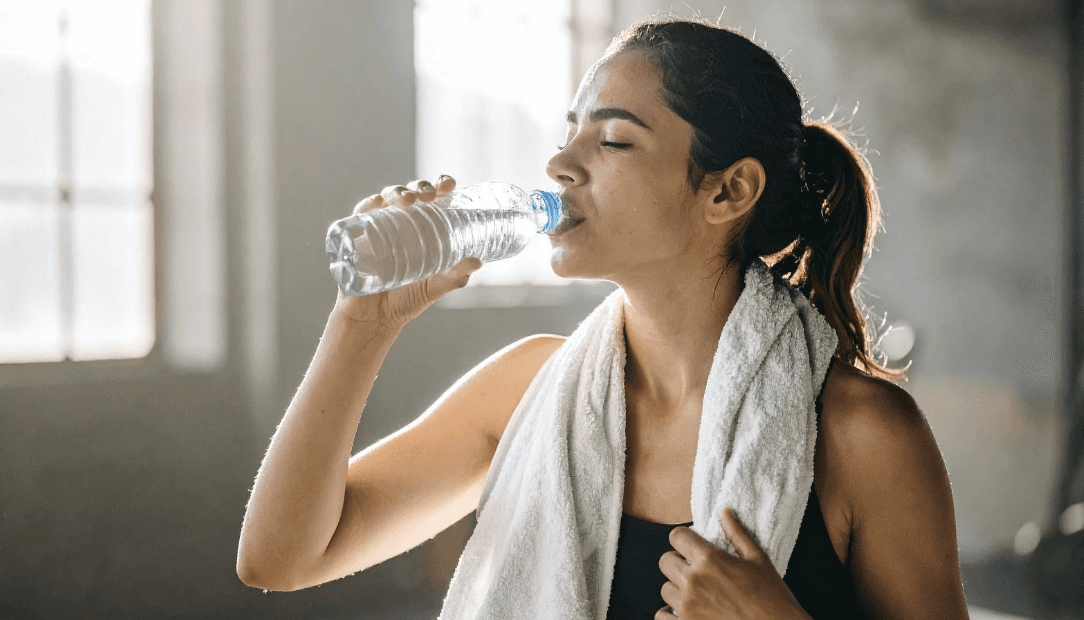
The Golden Rule: If you feel dizzy, excessively nauseous, or notice your heart racing uncontrollably, stop immediately. Find shade or air conditioning, sip water, and don't try to "push through it."
The FirePower Promise: We’ve Got Your Back
Here at FirePower, your safety is our absolute number one priority. Working out in the heat demands extra vigilance, which is why our coaching staff is highly trained to spot the early warning signs of heat strain.
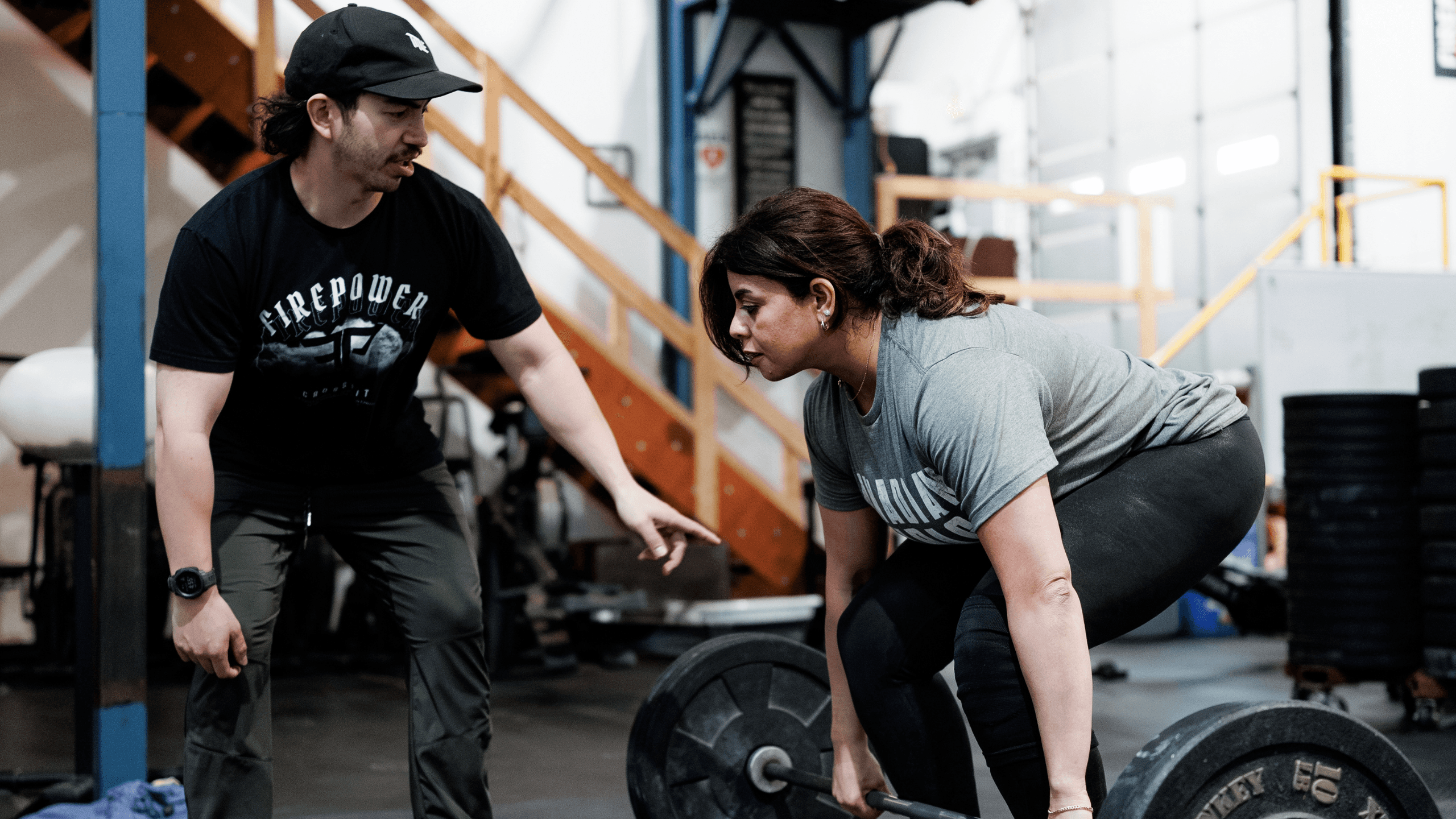
Whether you are a competitive athlete pushing your limits, a regular member hitting a tough WOD, or one of the amazing kids in our youth programs, you can count on our coaches to be actively checking in on you. During these hot summer months, we make it a point to:
Ensure everyone is taking structured, frequent water breaks.
Actively monitor performance drops, flushed faces, or any signs of fatigue that look out of the ordinary.
Encourage open communication—never hesitate to tell a coach if you're starting to feel off, dizzy, or overheated. We are here to keep you safe, healthy, and performing at your best!

Does Working Out in the Heat Burn More Fat?
It’s a common myth: the more I sweat, the more fat I’m burning. Unfortunately, the science tells a different story.
Studies show that when you exercise in extreme ambient heat, your body actually undergoes a metabolic shift. Instead of burning fat cells for energy, your body shifts to burning carbohydrates because they are a faster, more readily available fuel source to meet the high stress demand. All that extra sweat is just water and salt loss—not fat.
However, heat can indirectly support your body composition goals in two unique ways:
Heat Shock Proteins (HSPs): Thermal stress triggers these cellular proteins, which help repair and build muscle tissue. Studies show that heat exposure alone can stimulate cellular responses similar to light exercise.
Human Growth Hormone (HGH): Research has shown that extreme heat exposure can significantly, though temporarily, spike your body's natural production of HGH, which plays a major role in preserving lean muscle and managing body fat.
Pro-Tips for Safe Summer Workouts
If you’re determined to crush your fitness routine this summer, follow these expert-backed guidelines:
1. Try "Precooling"
Before heading out into the heat, lower your baseline body temperature. Studies show that using ice packs on the muscle groups you plan to use (like your legs before a run) or taking a cold plunge/shower beforehand can significantly slow down the rise of your core temperature, protecting your performance.
2. Time it Right and Dress Smart
Avoid the peak sun hours of the early afternoon. Schedule your outdoor workouts for early morning or late evening. Always wear a broad-spectrum sunscreen and opt for lightweight, loose-fitting, light-colored clothing made of breathable synthetic fabrics (like polyester) that wick moisture away.
3. Mastering Summer Hydration
The American College of Sports Medicine recommends a strategic approach to fluids:
Before: Drink plenty of water with your meals the day before. Sip 16–20 ounces of water about 4 hours before your workout.
During: Drink according to your thirst. For workouts extending past an hour, switch to an electrolyte drink to replenish lost sodium. Avoid over-hydrating with plain water, which can trigger a dangerous condition called hyponatremia (water intoxication).
After: For every pound of weight lost through sweat, drink 16–24 ounces of fluid to properly rehydrate.
What to Avoid: Skip the heavy coffees or caffeinated energy drinks right before a hot workout. Research indicates that consuming caffeine right before working out in the heat accelerates dehydration and puts unnecessary strain on your cardiovascular system.
Stay Hydrated the Northern Way: Grab a Cold One from the ProShop
To help you fuel your summer workouts with only the very best, don't forget that we keep the gym fridge fully stocked with Northern Hydration!
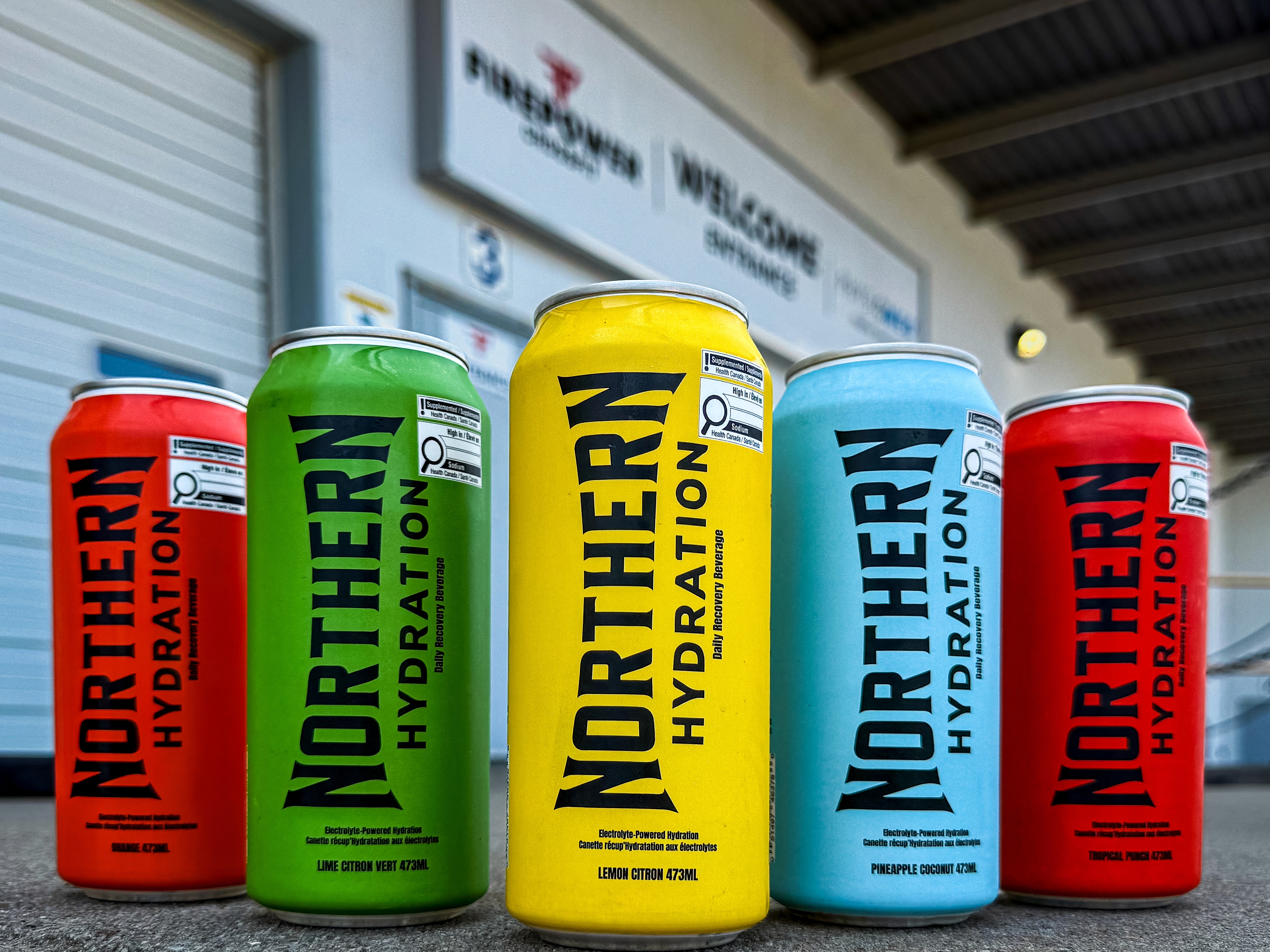
Formulated to replace standard, sugary sports drinks that leave athletes feeling sluggish, Northern Hydration is a clean, science-backed hydration solution built around pure ingredients. Instead of empty calories, artificial dyes, and sugar crashes, every can delivers exactly what your body needs to perform and recover at its peak during hot summer sessions:
750 mg of Sodium to trigger thirst, maintain blood volume, and keep your muscles firing.
500 mg of Potassium to balance fluids inside your muscle cells and speed up recovery.
50 mg of Magnesium to prevent cramping, calm nerves, and ease post-workout soreness.
0 Sugar, 0 Calories, 0 Sweeteners—just pure, clean performance.
We’ve got cold cans ready and waiting for you in the lobby. No fluff, no sugary crashes—just elite-level hydration to keep you moving safely all summer long.
Ask your coach about grabbing one before your next WOD and Hydrate the Northern Way!